Health
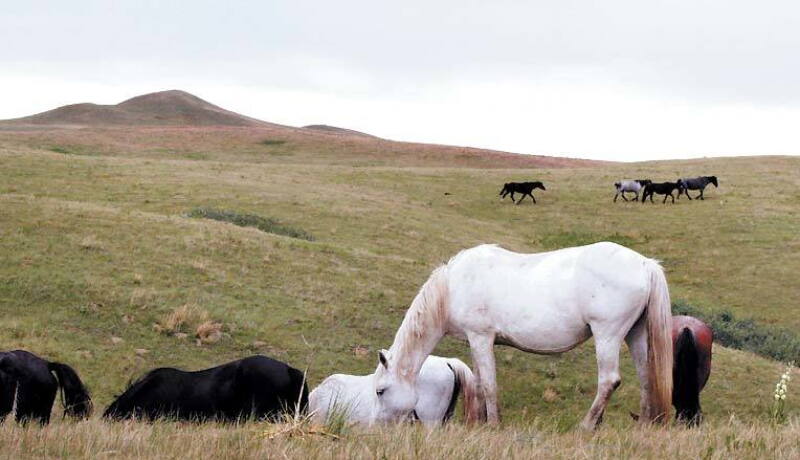
Rare Nokota horses find a new home at the Standing Rock Sioux Reservation, a move to help ensure their future
By Lillian Becker
Advertisement · Why this ad?
Sofia Cheung is a dedicated community reporter with a focus on social issues affecting the Fargo area. A graduate of North Dakota State University, she has spent the last four years reporting for local networks, ensuring that underrepresented voices are heard.
More from Sofia →
As the sun dipped below the horizon, casting a golden glow over the Standing Rock Reservation, Frank Kuntz stood at the corral gate, his heart heavy yet hopeful. After nearly five decades of dedication to preserving the Nokota horse breed, he was preparing to say goodbye to the herd he had nurtured through thick and thin. This moment, filled with bittersweet emotion, marked not just a farewell but the dawn of a new chapter for these remarkable horses.
On a crisp autumn day, the Standing Rock Sioux Tribe announced their commitment to providing a new home for Kuntz's beloved Nokota horses, a move that promises to safeguard the future of this historic breed. The Nokota horses, known for their resilience and gentle nature, are deeply intertwined with the history and culture of the Sioux people, making this transition particularly meaningful.
The Nokota horses trace their lineage back to the rugged Badlands of Theodore Roosevelt National Park, where they have roamed since at least the 1880s. Frank and his brother Leo Kuntz dedicated their lives to saving these horses from slaughter, purchasing surplus animals from the park in the late 1970s. Initially, they aimed to cross these wild horses with domestic breeds for endurance racing, but their mission evolved into a passionate commitment to preserve the breed's unique heritage.
In 1993, the Nokota horse was designated North Dakota’s honorary state equine, a testament to its significance in the region. However, maintaining a herd of horses is no small feat. As costs mounted and Frank faced personal health challenges, including a battle with cancer, the future of the herd became uncertain. With only seven acres of land left for the horses to roam, Frank's heart ached for their well-being.
When the Standing Rock Sioux Tribe stepped in to take responsibility for the herd, relief washed over Frank. "I'm ecstatic," he said, his eyes lighting up with hope. This partnership not only ensures the survival of the Nokota horses but also revives a profound cultural connection for the Standing Rock Sioux.
The Kuntz brothers' journey with the Nokota horses is steeped in history. Their ancestors, the Sioux, faced significant losses during the Indian Wars, including the removal of horses after the Battle of the Little Bighorn. Frank learned that the Nokota horses descend from the very ponies surrendered by Sitting Bull and his followers in the late 19th century.
Leo Kuntz's research revealed a rich tapestry of stories surrounding these horses. They were once part of a vast herd owned by Arthur Clarke Huidekoper, who bred them with domestic horses. Over time, many of these horses became feral, seeking refuge in the Badlands. Unfortunately, as mechanization took hold in the early 1900s, ranchers abandoned thousands of horses, further contributing to the Nokota's unique lineage.
Despite their historical significance, the Kuntz brothers faced numerous challenges in preserving the breed. In the 1980s, park rangers began replacing wild stallions with domestic ones, diluting the bloodlines Frank and Leo fought so hard to protect. Tragedy struck in 2018 when Leo passed away, leaving Frank to shoulder the burden of maintaining the herd alone.
The announcement of the Standing Rock Sioux Tribe's commitment to the Nokota horses resonated deeply within the community. Jon Eagle Sr., a Hunkpapa Lakota and a close friend of the Kuntz brothers, expressed his excitement about this new chapter. "We've missed these relatives," he said, emphasizing the spiritual and cultural significance of the horses.
Eagle, who has been actively working to restore horse culture at Standing Rock, recognized the therapeutic potential of the Nokota horses. Earlier this year, he collaborated with Kristie Tschida, who runs Hoof it Forward, a nonprofit dedicated to equine-assisted services. Together, they sought to make these horses accessible for veterans and first responders, offering healing through the connection with these majestic animals.
The tribe's efforts culminated in a $70,000 grant from Strengthen North Dakota, aimed at covering the costs of transporting the horses, providing health checks, and ensuring their proper care. Cynthia Monteau, the tribe's director of land management, highlighted the importance of reintroducing the horses to grazing areas, ensuring their health and safety.
The Nokota horses will play a pivotal role in various community programs. From addiction recovery initiatives to youth camps focused on cultural education, the tribe plans to utilize these horses to reconnect individuals with their heritage. Eagle believes that the Nokota horses can help heal the wounds inflicted by historical trauma, allowing his people to reclaim a vital aspect of their identity.
"I can tell you from my personal experiences, they're different than a domestic horse," Eagle shared on social media. His hope is that the Nokota horses will facilitate a reconnection to ancient traditions, fostering healing and resilience within the community.
As Frank Kuntz prepares to transition the Nokota horses to their new home, the future looks promising. The Standing Rock Sioux Tribe's commitment to preserving this breed not only secures their survival but also revitalizes cultural practices that have long been dormant. The horses will be integrated into programs that teach the tribe's youth about their heritage, instilling pride and knowledge about their ancestral connections.
In the coming months, the tribe will focus on acclimating the horses to their new environment, ensuring they receive the care and attention they need. This process will involve monitoring their health and behavior as they adapt to grazing in larger areas, a significant change from their confinement.
For Frank, this partnership represents a culmination of years of hard work and dedication. "Now I can offer them more. I feel pretty comfortable with where they’re going," he said, reflecting on the relief he feels knowing that the horses will thrive in a nurturing environment.
The story of the Nokota horses is one of resilience, connection, and hope. As they embark on this new journey with the Standing Rock Sioux Tribe, they carry with them a legacy that transcends generations. Frank Kuntz's dedication to preserving this breed has not only saved the horses but has also paved the way for cultural revival within the community.
In a world where the bonds between people and animals can heal wounds and restore spirits, the Nokota horses stand as a testament to the enduring power of commitment, family, and heritage. As the sun sets on one chapter, a new dawn rises for these remarkable horses and the people who cherish them.
By Lillian Becker
By Carlos Martinez

By Maya Patel
By Jenna Larson